FOIH Annual Fundraising Event Washington DC Chapter
Monday Nov 18, 2024 5:30 PM EST
Location

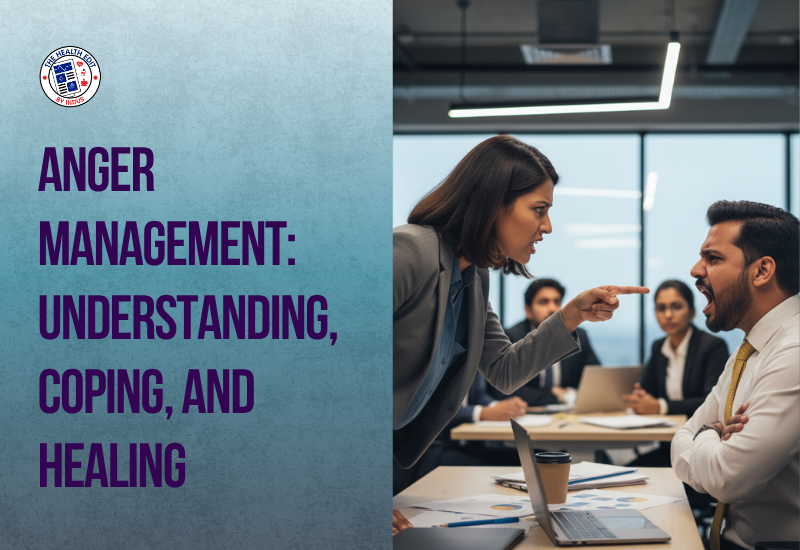
Anger is a natural human emotion—an instinctive response to perceived injustice, threat, or frustration. However, when left unchecked, it can spiral into aggression, strained relationships, and even physical illness. Learning to manage anger is not about suppressing it, but about understanding, expressing, and channeling it constructively.
Understanding Anger
Anger often masks deeper emotions such as fear, hurt, or disappointment. Recognizing these root causes is the first step toward control. In both personal and professional settings, anger can serve as a signal that something is not right, whether it’s unmet needs, lack of respect, or burnout. The key is to address the underlying issue rather than reacting impulsively.
What Happens When Anger Turns Physical?
Chronic anger doesn’t just affect your relationships, it affects your body. Persistent tension can lead to:
High blood pressure and heart disease
Weakened immune system
Digestive problems, including irritable bowel syndrome
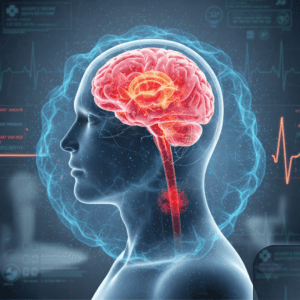
Headaches, fatigue, and sleep disturbances
Over time, unmanaged anger can erode mental health, leading to anxiety, depression, and social withdrawal.
In personal relationships, anger can easily damage trust and emotional safety. In workplaces, anger often emerges from stress, deadlines, or interpersonal conflicts. But reacting emotionally can damage your reputation and productivity.
Pause before reacting: Step away from the situation or count to ten. This short break helps calm your body’s fight-or-flight response.
Practice empathy: Try to see the situation from the other person’s perspective; it often softens your response.
Adopt relaxation techniques: Deep breathing, meditation, and journaling can help release emotional tension.
Respond, don’t react: Take a short walk, sip water, or focus on your breath before addressing the issue. Express your opinions clearly and respectfully without hostility.
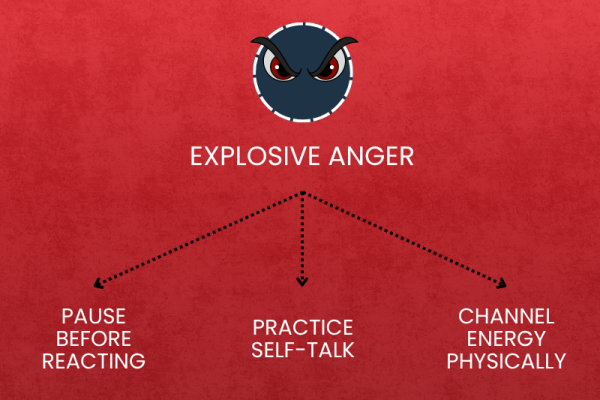
You tend to burst out suddenly when frustration builds up: yelling, slamming doors, or saying things you later regret. This kind of anger is intense but short-lived, often triggered by feeling misunderstood, disrespected, or out of control.
While the outburst may bring momentary relief, it can leave behind guilt, strained relationships, or regret over words and actions. Over time, recurring explosive anger can affect your trust with others and even elevate blood pressure or tension levels.

You rarely express anger openly, instead, you swallow your frustration and tell yourself “it’s not worth it.” But inside, emotions simmer. You might hold grudges, replay conflicts in your mind, or quietly distance yourself from others.
This type of anger doesn’t erupt, it erodes from within. When anger stays unexpressed, it can manifest as chronic stress, anxiety, fatigue, or physical tension (like headaches or digestive issues).

Instead of confronting issues directly, you may express anger through subtle actions: sarcasm, procrastination, avoiding communication, or giving silent treatment.
You appear calm on the surface, but inside there’s resentment or irritation. This indirect expression often leads to confusion or guilt, both for you and those around you, because the real issue remains unresolved.
Managing anger is not about eliminating it. It’s about learning to understand its message. Anger can motivate change when used wisely. Whether in your home or workplace, the goal is emotional intelligence: to respond with clarity instead of chaos.
By acknowledging your emotions, practicing self-control, and seeking help when necessary, anger can transform from a destructive force into a tool for personal growth and healthier relationships.
Embark on a meaningful journey by getting involved in our mission to provide quality healthcare for all. Your involvement can make a significant difference in the lives of those in need. Here’s how you can be a catalyst for change.


Monday Nov 18, 2024 5:30 PM EST
Location

we have sent you an email with confirmation and QR code.


