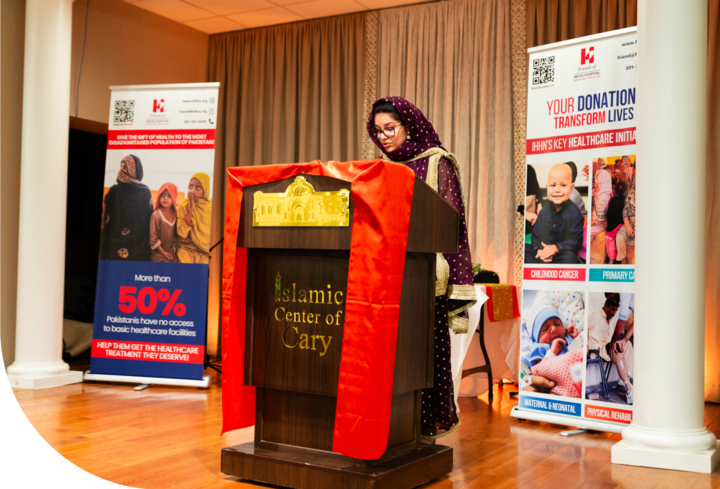
FOIH Annual Fundraising Event Washington DC Chapter
Monday Nov 18, 2024 5:30 PM EST
Location
Observed every year on April 17, World Hemophilia Day is dedicated to increasing global awareness of hemophilia and other inherited bleeding disorders. The day emphasizes early diagnosis, equitable access to treatment, and improved quality of life for individuals living with these conditions.
Hemophilia is a rare genetic bleeding disorder in which the blood does not clot properly due to a deficiency of clotting factors—most commonly factor VIII (Hemophilia A) or factor IX (Hemophilia B). As a result, even minor injuries can lead to prolonged bleeding, and in severe cases, spontaneous internal bleeding may occur.
The condition is usually inherited and linked to the X chromosome, which is why it more commonly affects males, while females often act as carriers. In rare cases, hemophilia can also develop later in life due to autoimmune conditions.


Although hemophilia and thalassemia are both inherited blood disorders, they differ significantly in their underlying causes and effects on the body, which often leads to confusion. Hemophilia is a bleeding disorder caused by a deficiency of clotting factors in the blood, meaning the blood does not clot properly, resulting in prolonged or spontaneous bleeding. In contrast, thalassemia is a disorder of hemoglobin production, where the body produces abnormal or insufficient hemoglobin, leading to reduced oxygen-carrying capacity of red blood cells and chronic anemia. Simply put, hemophilia affects the blood’s ability to clot, while thalassemia affects the blood’s ability to carry oxygen. While both conditions are genetic and require lifelong management, their symptoms, complications, and treatment approaches are fundamentally different.
Although there is currently no cure for hemophilia, modern medicine allows patients to live active and fulfilling lives. Treatment typically involves replacing missing clotting factors through regular infusions or preventive (prophylactic) therapy. In addition, physiotherapy, lifestyle modifications, and injury prevention play an important role in long-term care.
Despite medical advances, many individuals worldwide remain undiagnosed or lack access to proper treatment. World Hemophilia Day highlights the urgent need for equitable healthcare, early diagnosis, and improved support systems. Increased awareness can significantly reduce complications and help patients lead healthier, more independent lives.
Embark on a meaningful journey by getting involved in our mission to provide quality healthcare for all. Your involvement can make a significant difference in the lives of those in need. Here’s how you can be a catalyst for change.


Monday Nov 18, 2024 5:30 PM EST
Location

we have sent you an email with confirmation and QR code.


