FOIH Annual Fundraising Event Washington DC Chapter
Monday Nov 18, 2024 5:30 PM EST
Location

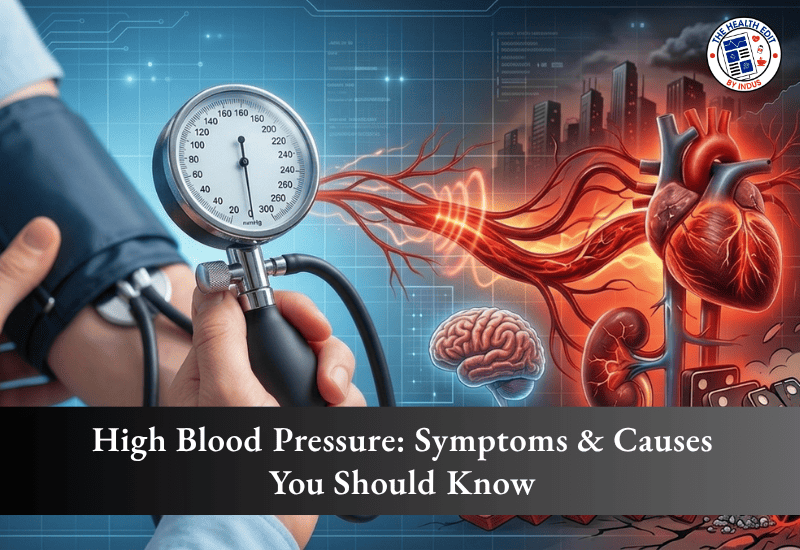
High blood pressure, medically known as Hypertension, is a common but serious condition where blood flows through the arteries with consistently higher-than-normal force. Over time, this increased pressure can damage blood vessels and strain the heart, raising the risk of heart disease, stroke, and kidney problems.
Because it usually develops without noticeable symptoms, hypertension is often called a “silent killer.”

High blood pressure (hypertension) is a medical condition in which the force of blood pushing against the walls of your arteries remains consistently too high.
Blood pressure is measured using two values:
A normal blood pressure reading is usually around 120/80 mmHg. In general, hypertension is diagnosed when readings consistently reach 130/80 mmHg or higher, depending on clinical guidelines.
There are two main types of hypertension:
In simple terms, hypertension means your heart is working harder than normal to circulate blood throughout your body, which can lead to long-term damage if left untreated.
Most people with high blood pressure do not notice any symptoms, even when levels are dangerously high. However, when blood pressure becomes severely elevated, symptoms may appear, including:
In extreme cases, very high blood pressure (known as a hypertensive emergency) can cause signs of stroke such as slurred speech, facial drooping, or sudden weakness. This requires immediate medical attention.

Most cases of hypertension do not have a single clear cause. Instead, it develops from a combination of risk factors, including:
In some cases, high blood pressure is secondary to medical conditions like kidney disease, sleep apnea, or hormonal disorders, or may be triggered by certain medications.
Untreated hypertension can silently damage the heart, brain, kidneys, and arteries over time. This increases the risk of serious conditions such as heart attack, stroke, kidney failure, and vision loss.
Because symptoms are often absent, regular blood pressure checks are the only reliable way to detect it early.

High blood pressure is common but highly manageable. Understanding its symptoms and causes—and monitoring it regularly—can significantly reduce long-term health risks. Early awareness and lifestyle changes play a key role in preventing complications from hypertension.
Embark on a meaningful journey by getting involved in our mission to provide quality healthcare for all. Your involvement can make a significant difference in the lives of those in need. Here’s how you can be a catalyst for change.


Monday Nov 18, 2024 5:30 PM EST
Location

we have sent you an email with confirmation and QR code.


