FOIH Annual Fundraising Event Washington DC Chapter
Monday Nov 18, 2024 5:30 PM EST
Location

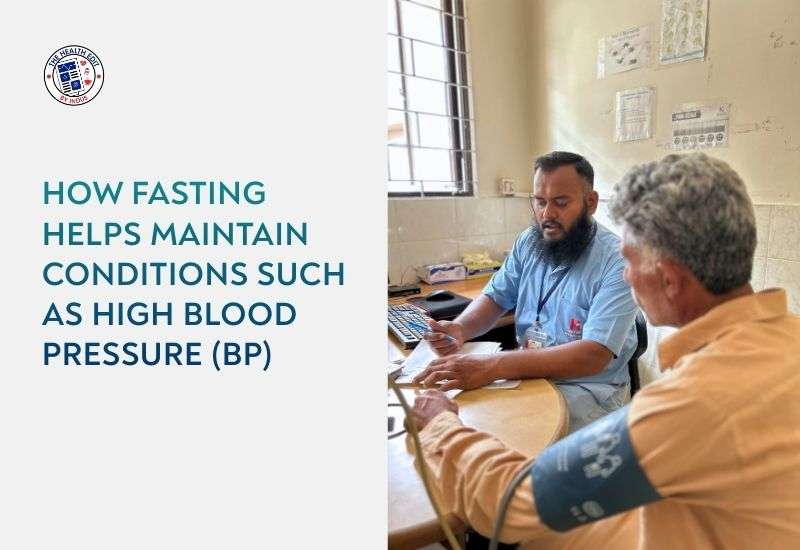
High blood pressure (BP), also known as hypertension, is one of the most common lifestyle-related health conditions worldwide. It increases the risk of heart disease, stroke, and kidney problems. While medications are often necessary, lifestyle changes including fasting, can play a powerful supportive role in maintaining healthy blood pressure levels.

Excess weight is a major contributor to high BP. Fasting often reduces overall calorie intake, leading to gradual weight loss. Even a small weight reduction can significantly lower systolic and diastolic blood pressure levels.
When body fat decreases, the heart doesn’t have to work as hard to pump blood, reducing pressure on artery walls.

High insulin levels can cause the body to retain sodium, increasing blood pressure. Fasting improves insulin sensitivity, meaning your body uses glucose more effectively and retains less sodium.
Less sodium retention = less fluid buildup = lower blood pressure.

Chronic inflammation contributes to stiff arteries and poor circulation. Fasting has been shown to reduce inflammatory markers in the body, helping blood vessels relax and function more efficiently.
Relaxed arteries allow blood to flow smoothly, lowering BP.

Fasting may improve several cardiovascular risk factors:
Together, these changes support overall heart health and help maintain healthier blood pressure levels.

During longer fasting periods, the body activates a repair process called autophagy. This process removes damaged cells and supports healthier blood vessels, which can contribute to better blood pressure regulation over time.
Fasting is not suitable for everyone. You should consult a healthcare professional before starting if you:
Sudden drops in blood pressure can cause dizziness or fainting, especially if medications are involved.
Fasting can be a helpful tool in maintaining healthy blood pressure when done safely and consistently. By promoting weight loss, improving insulin sensitivity, reducing inflammation, and supporting heart health, fasting addresses several root causes of hypertension.
If you’re considering fasting to help manage BP, talk to your healthcare provider to determine the safest and most effective approach for you.
Embark on a meaningful journey by getting involved in our mission to provide quality healthcare for all. Your involvement can make a significant difference in the lives of those in need. Here’s how you can be a catalyst for change.


Monday Nov 18, 2024 5:30 PM EST
Location

we have sent you an email with confirmation and QR code.


