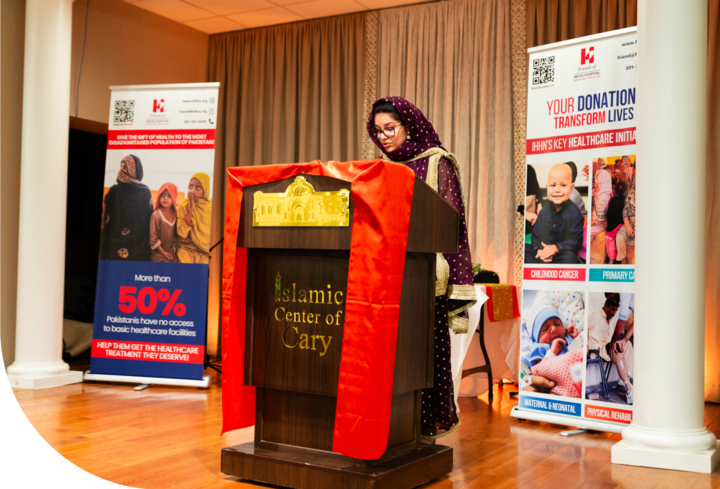
FOIH Annual Fundraising Event Washington DC Chapter
Monday Nov 18, 2024 5:30 PM EST
Location
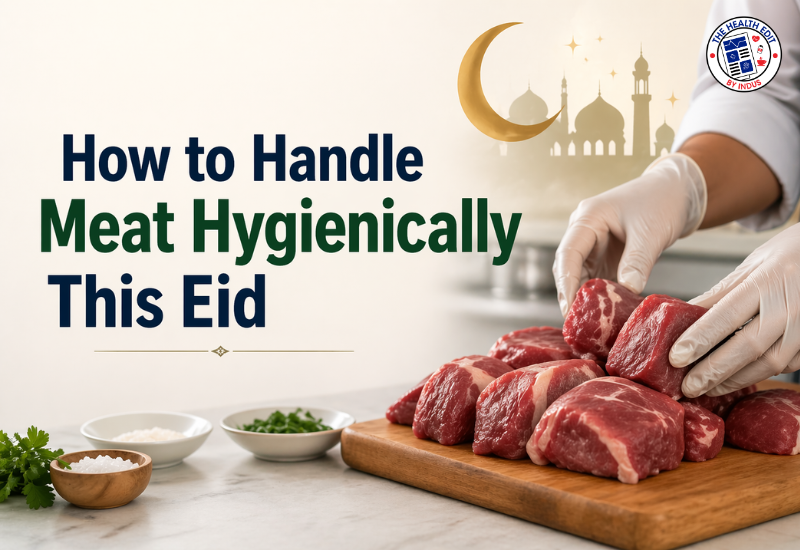
Eid celebrations often involve preparing, storing, and sharing large quantities of fresh meat, making meat hygiene and food safety during Eid more important than ever. Whether you’re handling meat at home or distributing it within your community, following proper hygiene practices is essential to prevent contamination and reduce the risk of foodborne illness.
Improper handling of raw meat can lead to infections such as Salmonella infection and Escherichia coli infection, which are commonly linked to poor food safety practices. With the right precautions, you can ensure your Eid celebrations remain both safe and healthy.
During Eid, meat is often handled in bulk and exposed to warm temperatures, which can accelerate bacterial growth. Without proper storage and hygiene, this increases the risk of contamination.
Practicing safe meat handling helps:
Use this quick checklist to stay on track with safe meat handling during Eid:

Following these safe meat handling practices during Eid in detail can significantly reduce the risk of contamination and foodborne illness:
Cleanliness is the first step in preventing the spread of harmful bacteria. Always wash your hands thoroughly with soap for at least 20 seconds before and after handling raw meat. Make sure all knives, cutting boards, and kitchen surfaces are cleaned with hot water and disinfectant.
Using separate utensils for raw and cooked food is essential, as bacteria from raw meat can easily transfer to ready-to-eat items.
Cross-contamination is one of the most common causes of foodborne illness during large-scale meat handling.
To minimize this risk:
Even small lapses in separation can lead to bacterial spread.
Temperature control plays a critical role in food safety during Eid. Bacteria multiply rapidly when meat is left at room temperature, especially in warm climates.
Proper storage helps maintain both safety and freshness.
Cooking meat to the right temperature is essential to kill harmful bacteria such as Salmonella infection and Escherichia coli infection.
Make sure:
Using a food thermometer can provide additional accuracy.
During Eid, meat is often shared with family, friends, and those in need. Safe distribution is just as important as safe preparation.
Maintaining hygiene throughout the distribution process ensures the meat remains safe for consumption.
Watch out for these common mistakes that can compromise meat safety and hygiene:

Eid is a time of generosity, community, and shared meals. By following proper meat hygiene and food safety practices during Eid, you can protect your family and others from preventable health risks.
With safe handling, proper storage, and good hygiene habits, your celebrations can remain joyful, meaningful, and healthy.
Embark on a meaningful journey by getting involved in our mission to provide quality healthcare for all. Your involvement can make a significant difference in the lives of those in need. Here’s how you can be a catalyst for change.


Monday Nov 18, 2024 5:30 PM EST
Location

we have sent you an email with confirmation and QR code.


