FOIH Annual Fundraising Event Washington DC Chapter
Monday Nov 18, 2024 5:30 PM EST
Location

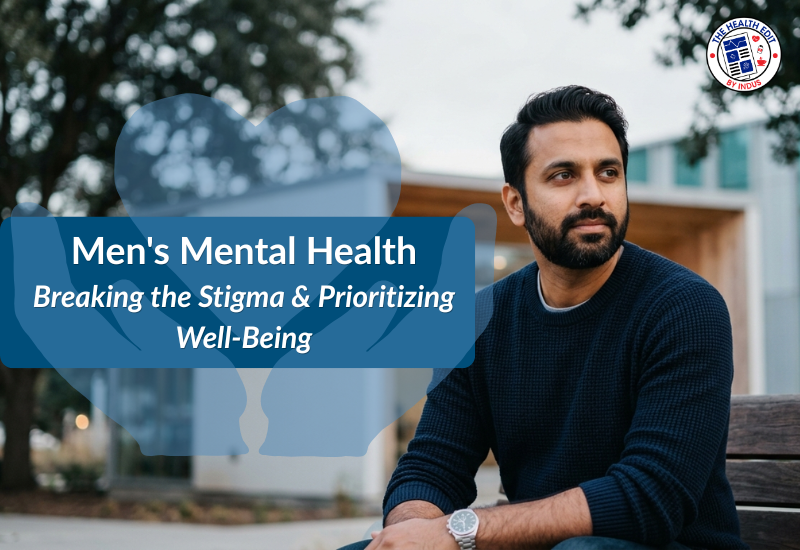
Mental health is an essential part of overall well-being, yet conversations around men’s mental health often remain limited. While awareness has grown in recent years, many men continue to struggle in silence due to societal expectations, stigma, and misconceptions about emotional vulnerability.
Traditional beliefs that associate masculinity with toughness, self-reliance, and emotional restraint can make it difficult for men to acknowledge when they are struggling. As a result, many delay seeking support, even when stress, anxiety, or other mental health challenges begin to affect their daily lives.
Mental health influences every aspect of life—from relationships and work performance to physical health and overall quality of life. When emotional well-being suffers, it can impact productivity, decision-making, sleep quality, and personal relationships.
Modern life brings a range of pressures, including demanding careers, financial responsibilities, family commitments, and social expectations. When these challenges go unaddressed, they can contribute to long-term emotional strain and reduced quality of life.
Prioritizing mental wellness is not only beneficial for individuals—it also strengthens families, workplaces, and communities.
Mental health challenges do not always present themselves in obvious ways. While some men may experience feelings of sadness or anxiety, others may show other signs.
Recognizing these signs early can make a significant difference in recovery and long-term mental well-being.


Despite growing awareness, many men remain reluctant to seek support for mental health concerns. Social and cultural expectations can create pressure to appear strong, independent, and in control at all times.
Common barriers include:
Understanding these barriers is an important step toward overcoming them and encouraging healthier conversations around mental well-being.
Prioritizing mental health does not always require major changes. Small, consistent habits can have a positive impact on emotional resilience and overall wellness.

Therapy, counseling, and mental health programs can provide valuable tools for managing stress, improving coping skills, and building resilience.
Supporting men’s mental health is not solely an individual responsibility. Families, workplaces, healthcare providers, and communities all play an important role in creating environments where people feel comfortable discussing their struggles.
Simple actions can make a meaningful difference:
When people feel supported, they are more likely to seek help early and access the care they need.
One of the most effective ways to reduce mental health stigma is through open conversation. Talking about mental health helps challenge outdated stereotypes and reminds people that emotional struggles are a normal part of the human experience.
Seeking support is not a sign of weakness—it is a proactive step toward better health, stronger relationships, and improved quality of life.
Men’s Mental Health Awareness serves as an important reminder that emotional well-being deserves the same attention as physical health. By recognizing the signs of distress, challenging stigma, encouraging open dialogue, and promoting access to support, we can help create a culture where men feel empowered to prioritize their mental health.
The message is simple but powerful: taking care of your mental health is a sign of strength, not weakness.
Embark on a meaningful journey by getting involved in our mission to provide quality healthcare for all. Your involvement can make a significant difference in the lives of those in need. Here’s how you can be a catalyst for change.


Monday Nov 18, 2024 5:30 PM EST
Location

we have sent you an email with confirmation and QR code.


