FOIH Annual Fundraising Event Washington DC Chapter
Monday Nov 18, 2024 5:30 PM EST
Location

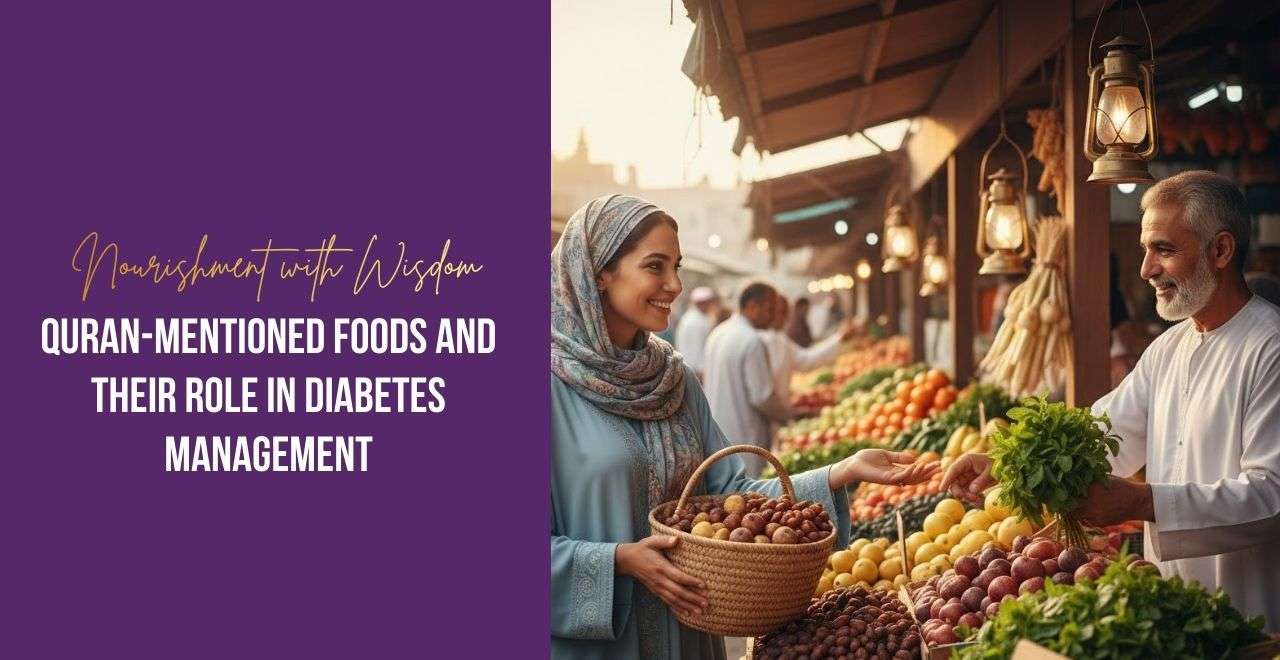
Diabetes management is not only about restricting sugar, it is about choosing foods that support the body’s natural balance. Interestingly, many foods now recommended by modern medical science for blood sugar control are also among those mentioned in the Holy Quran, reflecting a timeless connection between nourishment, moderation, and health.
For people living with diabetes or those hoping to prevent it, incorporating these foods into daily meals can help regulate blood glucose, improve heart health, and support long-term wellbeing.
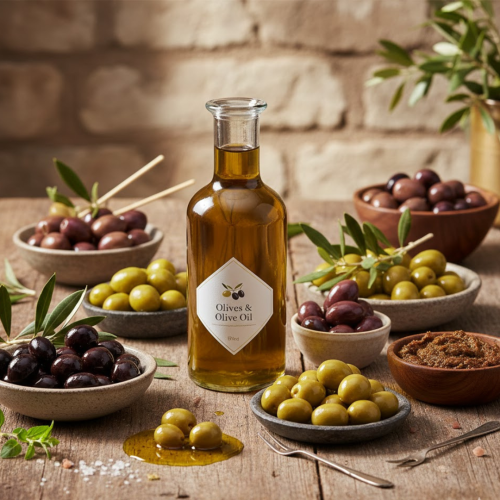
Olives are directly mentioned in the Quran as a blessed food and symbol of nourishment and light (Surah An-Nur 24:35; Surah At-Tin 95:1). Today, nutrition science recognizes olive oil as one of the most powerful dietary supports for metabolic health.
Olive oil is rich in monounsaturated fats, which help improve insulin sensitivity and allow the body to use glucose more efficiently. It also reduces inflammation and lowers the risk of cardiovascular disease, a major concern for people with diabetes.
Replacing saturated fats such as butter or excessive ghee with olive oil can help stabilize blood sugar while protecting heart health.

Grains are repeatedly referenced in the Quran as essential sustenance for humanity. Among them, barley stands out scientifically as a diabetes-friendly grain.
Barley contains beta-glucan, a soluble fiber that slows digestion and reduces sudden rises in blood glucose after meals. This gradual absorption helps maintain steady energy levels and prevents sharp sugar spikes.
Whole wheat and other unrefined grains similarly support gut health, which plays an important role in metabolic regulation and insulin response.
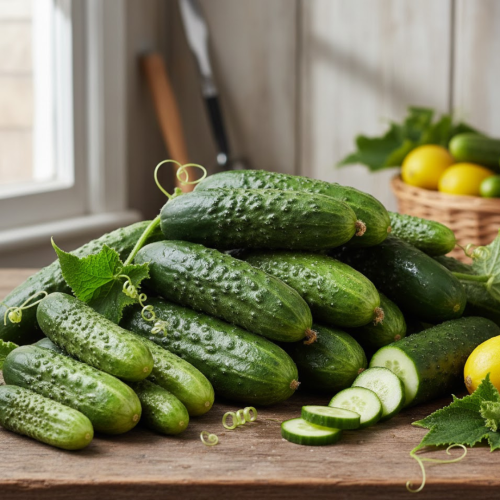
Cucumbers are mentioned among the foods requested by the Children of Israel in the Quran (Surah Al-Baqarah 2:61). Though simple, they offer meaningful benefits for people with diabetes.
Low in carbohydrates and high in water content, cucumbers help with hydration, satiety, and weight management, all crucial factors in controlling blood sugar levels. They make an ideal snack that does not significantly raise glucose levels.
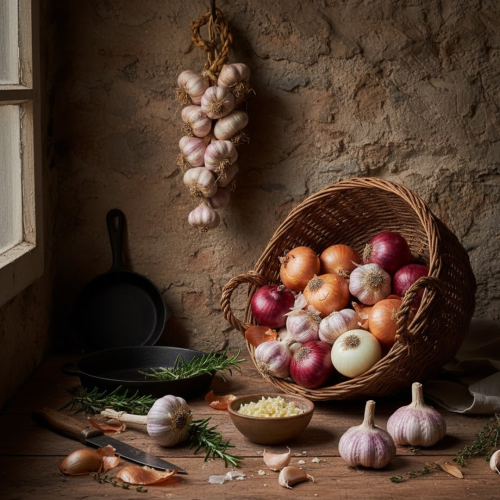
Garlic and onions are also referenced in the Quran (Surah Al-Baqarah 2:61), and modern research highlights their medicinal value.
Both contain natural compounds that may:
Because diabetes increases the risk of heart disease, regularly cooking with garlic and onions offers protective benefits beyond glucose control.
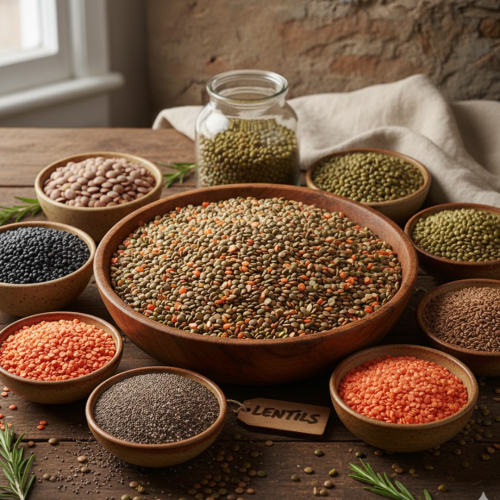
Lentils, another Quran-mentioned food (Surah Al-Baqarah 2:61), are considered one of the best staples for individuals with diabetes.
Their combination of high fiber and plant protein slows carbohydrate absorption, preventing rapid increases in blood sugar. Lentils also promote fullness, helping with appetite regulation and healthy weight maintenance, a major factor in diabetes prevention and management.

Ginger is mentioned among the flavors of the drinks of Paradise (Surah Al-Insan 76:17), and modern studies suggest it may offer metabolic benefits.
Research indicates ginger may:
Adding small amounts of fresh ginger to tea or cooking can provide subtle but meaningful support.
What is remarkable is how closely modern nutritional guidance aligns with foods referenced in the Quran centuries ago. These foods share common characteristics: they are natural, fiber-rich, minimally processed, and consumed in moderation.
For individuals managing diabetes, the lesson is not restriction alone, but choosing foods that nourish steadily rather than overwhelm the body with rapid sugar loads.
A diet built around olives, whole grains, lentils, vegetables, and natural spices reflects both evidence-based medical advice and a tradition of mindful eating rooted in faith.
Embark on a meaningful journey by getting involved in our mission to provide quality healthcare for all. Your involvement can make a significant difference in the lives of those in need. Here’s how you can be a catalyst for change.


Monday Nov 18, 2024 5:30 PM EST
Location

we have sent you an email with confirmation and QR code.


