FOIH Annual Fundraising Event Washington DC Chapter
Monday Nov 18, 2024 5:30 PM EST
Location

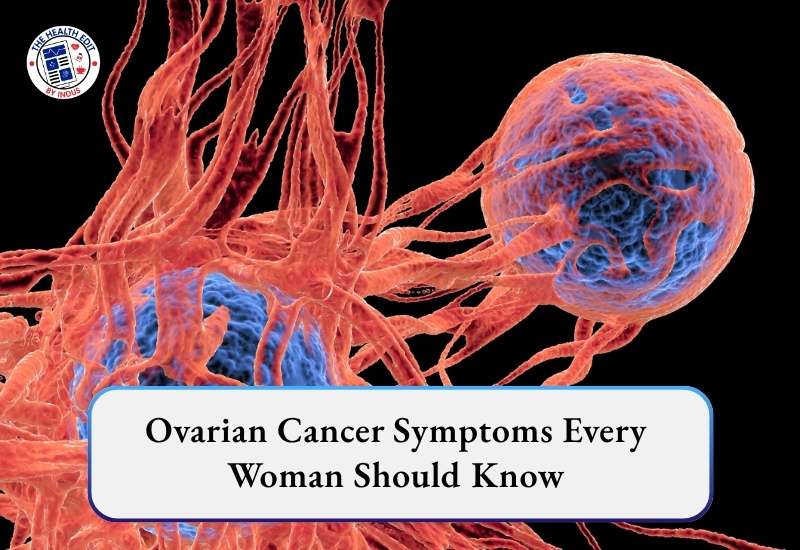
Ovaries are the female reproductive organs responsible for producing an egg each month in women of child-bearing age. Ovarian Cancer refers to the abnormal, uncontrolled growth and division of cells in and around the ovaries, fallopian tubes, or peritoneum, leading to the formation of a tumour. It is one of the more serious forms of gynecologic cancer, often progressing silently in its early stages.
Any woman born with female reproductive organs, including the ovaries and fallopian tubes, is at risk of developing ovarian cancer. It is the second most common gynecological cancer and the fifth leading cause of cancer-related deaths among women, making awareness and early detection critically important.
Sex cord stromal tumours: begin in the hormone-producing tissues that support the ovaries

The symptoms of ovarian cancer are often subtle and can be mistaken for common digestive or hormonal issues. However, persistent and recurring signs should not be ignored. Some of the most commonly reported symptoms include:
These early symptoms of ovarian cancer tend to occur more frequently over time and may worsen if left unaddressed.

The ovarian cancer survival rate varies depending on how early the disease is detected. Overall, the 5-year relative survival rate is approximately 50–54%, but outcomes improve significantly with early diagnosis. Ovarian cancer most commonly occurs in women aged 50 to 60 or older, with the median age at diagnosis being around 63. While it can happen at any age, it is rare in women under 40.
When detected at an early stage (Stage I), survival rates can be as high as 90–95%. However, if the cancer spreads to distant parts of the body, survival may decrease to around 30–40%. This highlights the importance of recognizing symptoms and seeking timely medical care.

You should consult a healthcare provider if:
Early detection of Ovarian Cancer significantly improves treatment outcomes. However, there is currently no reliable routine screening test for the general population, making symptom awareness, regular check-ups, and timely diagnosis essential in improving survival and overall outcomes.
Embark on a meaningful journey by getting involved in our mission to provide quality healthcare for all. Your involvement can make a significant difference in the lives of those in need. Here’s how you can be a catalyst for change.


Monday Nov 18, 2024 5:30 PM EST
Location

we have sent you an email with confirmation and QR code.


