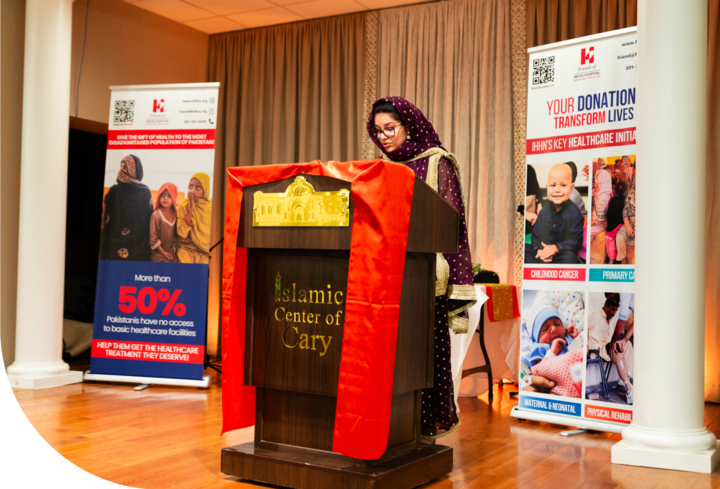
FOIH Annual Fundraising Event Washington DC Chapter
Monday Nov 18, 2024 5:30 PM EST
Location

Before a person walks again after amputation, they have to learn something more basic first: how to stand. Not sprint, not stride, simply just to stand, unaided, on a body that no longer distributes its weight the way it used to. Recovery is often described as a simple checklist, heal, fit the prosthesis, walk, but in practice it’s a gradual, closely supervised process, and physical therapy is where most of it happens.


Recovery starts before there’s any limb to walk on, sometimes within 48 hours of surgery. The residual limb is swollen and shapeless, sculpted over time into something a prosthetic socket can eventually fit around. Therapists wrap it in compression bandaging while working to prevent contractures, where an unattended joint stiffens out of self-protection. Desensitization also begins here, reintroducing a traumatized limb to touch and fabric, so it can eventually tolerate the pressure of a socket.


This phase focuses on trunk strength, balance, and the muscles around the residual limb, which now have to work harder than before. Seated balance progresses to supported standing, building toward the first time a person bears real weight through the limb again. It’s a milestone that’s physical and emotional at once, and it’s why therapists pay close attention to how a patient is coping, not just how they’re moving.


Once the prosthesis is fitted, gait training begins, relearning to walk on a limb that can’t feel the ground and doesn’t move without deliberate input. Because walking is normally automatic, retraining it often involves practicing in front of a mirror so the brain can watch the legs instead of feeling them. Recovery differs by amputation level: below-knee amputees generally progress faster, above-knee amputees must also learn to manage an artificial knee joint, and upper-limb amputees focus less on weight-bearing and more on coordination and grip.

At this stage, therapy shifts from walking itself to the demands of everyday life: stairs, uneven ground, and how to recover safely from a fall. Many people return to work, errands, and social activity during this period, and some progress toward running, hiking, or sport using prosthetics designed for those purposes. Independence tends to return gradually, through small everyday moments rather than one dramatic milestone.
Recovery after amputation rarely follows a straight line, setbacks like poor-fitting sockets, skin irritation, or phantom limb pain are common along the way. But with consistent physical therapy, most people regain significant mobility and independence over time. It isn’t just about retraining a body; it’s about learning to move confidently in a body that works differently than it used to.
Embark on a meaningful journey by getting involved in our mission to provide quality healthcare for all. Your involvement can make a significant difference in the lives of those in need. Here’s how you can be a catalyst for change.


Monday Nov 18, 2024 5:30 PM EST
Location

we have sent you an email with confirmation and QR code.


