FOIH Annual Fundraising Event Washington DC Chapter
Monday Nov 18, 2024 5:30 PM EST
Location


Back, neck, and knee pain are among the most common physical complaints worldwide, often linked to prolonged sitting, poor posture, past injuries, or reduced physical activity. While professional assessment is essential for persistent or severe pain, guided physical therapy exercises at home can support recovery for many individuals. This health edit shares a list of commonly recommended physical therapy exercises that people may try at home, along with important safety considerations and guidance on when professional care is needed.
At-home physical therapy focuses on gentle, controlled movements that help strengthen muscles, improve flexibility, and reduce strain on joints—without the need for specialised equipment.

For individuals with limited access to rehabilitation services, at-home exercises offer a safe and accessible way to maintain physical function, especially when performed consistently and with proper guidance.
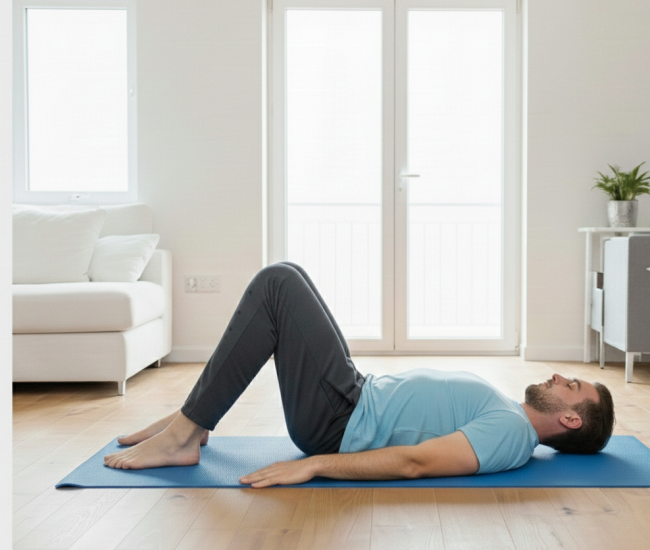
Lower back pain is often caused by weak core muscles, prolonged sitting, or improper lifting techniques. These physical therapy exercises for back pain focus on stability and gentle strengthening:
Pelvic Tilts: Help engage core muscles and reduce lower back stiffness.
Knee-to-Chest Stretch: Relieves tension in the lower spine
Bridging Exercise: Strengthens the lower back and hip muscles
If you’re unsure how to perform any of these exercises, simple visual demonstrations can help guide you. Always move slowly and stop if you experience pain.

Neck pain is frequently associated with prolonged screen use, poor posture, and muscle strain. Neck physical therapy exercises at home aim to restore mobility and reduce muscle tightness:
Neck Range-of-Motion Movements: Gentle side-to-side and up-and-down motions
Chin Tucks: Improve posture and reduce forward-head strain
Shoulder Rolls: Help release tension in the neck and upper shoulders
Maintaining proper posture during daily activities can enhance the effectiveness of these exercises.
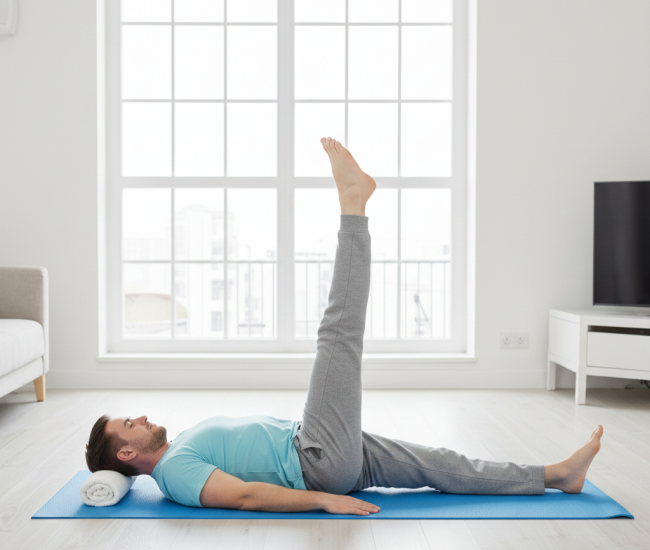
Knee pain can result from injury, arthritis, muscle imbalance, or reduced joint stability. Physical therapy exercises for knee pain at home help strengthen supporting muscles while minimising stress on the joint:
Straight Leg Raises: Strengthen thigh muscles without placing pressure on the knee
Seated Knee Extensions: Improve quadriceps strength
Hamstring Stretches: Increase flexibility and reduce knee strain
Low-impact movements are especially important for individuals recovering from injury or managing joint-related conditions.

At-home exercises can support recovery, but they are not a substitute for professional evaluation.
Physiotherapy or physical therapy consultation is recommended if:
Early intervention can prevent minor issues from developing into long-term mobility challenges.
Physical rehabilitation is a gradual process. Small, consistent efforts—such as regular at-home physical therapy exercises—can help improve comfort, confidence, and overall quality of life. With the right awareness and timely professional support, individuals can take an active role in protecting their physical health while knowing when additional care is needed.
Embark on a meaningful journey by getting involved in our mission to provide quality healthcare for all. Your involvement can make a significant difference in the lives of those in need. Here’s how you can be a catalyst for change.


Monday Nov 18, 2024 5:30 PM EST
Location

we have sent you an email with confirmation and QR code.


