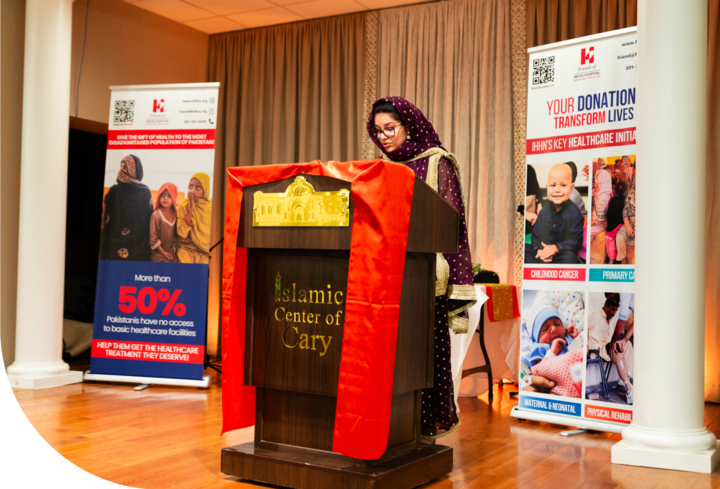
FOIH Annual Fundraising Event Washington DC Chapter
Monday Nov 18, 2024 5:30 PM EST
Location

Fifteen feet. That’s roughly the distance from a classroom door to a desk near the front. For a child returning after months of chemotherapy, a long hospital stay, or an illness that took their hair along with it, these fifteen feet can feel more like a daunting challenge than a simple walk.
School counselors who help children re-enter after extended medical leave often describe the same scene: a child pausing at the threshold, unable to take the next step. They aren’t afraid of the classroom itself, but of classmates who haven’t seen them in months.

Paediatric clinicians frequently observe that hair loss ranks among the hardest side effects of chemotherapy for school-age children, because it makes a child look different at the exact age when fitting in matters most.
The fear that accompanies their return to school is specific and rehearsed: what to say if someone asks? what to do if someone stares? What few prepare them for is that the fear and reality don’t often match, creating a silent wound of its own.

Many children expect unkindness, or at the very least fear it. Instead, they often encounter awkwardness. A teacher, trying to protect a child, might announce beforehand that everyone should “be extra kind” which unintentionally spotlights the very difference the child hoped to walk past unnoticed.
Classmates, coached into careful gentleness, stop teasing, stop arguing over whose turn it is, stop treating the child like one of them. The child wants to be treated normally. The performed kindness makes that impossible, as normal doesn’t announce itself in advance.

The staring that does occur isn’t usually unkindness, though it can feel that way. Psychologist Ellen Langer’s “novel-stimulus hypothesis” suggests that children are drawn to anything new simply because their brains are wired to notice what they haven’t seen before. A classmate who blurts out “what happened to your hair?” isn’t usually being cruel. They are often just young, curious and still learning the social filter that adults develop with age. Though, it stings regardless.
Research on school reintegration consistently shows that simple actions work the best. A brief, private conversation with a trusted teacher beforehand, where the child decides what gets said to the class and what doesn’t help. Just a single rehearsed line “I’m doing chemo, it’ll grow back” , can actually hand them control over an otherwise spontaneous moment. One supportive friend who simply sits beside them like nothing has changed can make a huge difference.
Most children later remember the walk to the classroom more vividly than the rest of the school. They remember the doorway and how quickly the room shifted from performing kindness to just being a classroom again. That’s the message worth telling every child standing outside a door like that one: it gets ordinary again. It just takes someone willing to walk those fifteen feet with them first.
Embark on a meaningful journey by getting involved in our mission to provide quality healthcare for all. Your involvement can make a significant difference in the lives of those in need. Here’s how you can be a catalyst for change.


Monday Nov 18, 2024 5:30 PM EST
Location

we have sent you an email with confirmation and QR code.


