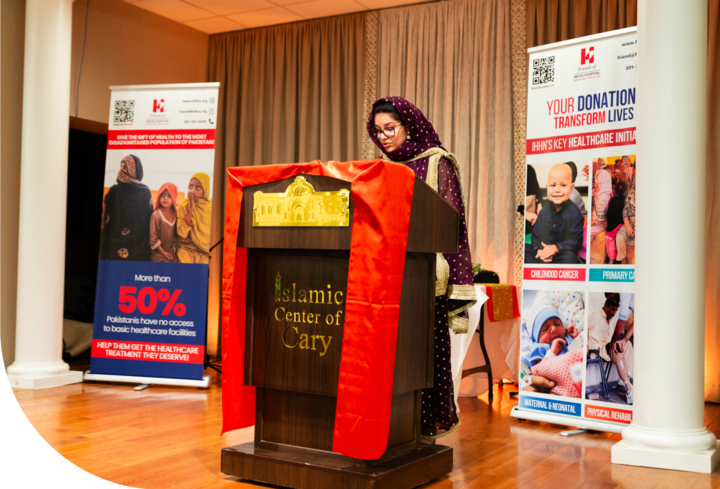
FOIH Annual Fundraising Event Washington DC Chapter
Monday Nov 18, 2024 5:30 PM EST
Location
As we move just past World Malaria Day (April 25), the global spotlight briefly returns to a disease that still affects hundreds of millions of people each year. For most travelers from North America, Europe, Australia, and parts of the Middle East, it may feel distant—but for those heading into tropical and subtropical regions, it remains a very real and preventable health risk.
Malaria is a mosquito-borne infectious disease found in parts of Africa, South Asia, Southeast Asia, Latin America, and some Middle Eastern regions. While it is not endemic in most high-income countries today, global travel means exposure risk continues for tourists, business travelers, aid workers, and expatriates.

World Malaria Day, observed by the World Health Organization and global partners, is a reminder that progress against malaria is ongoing—but not complete. Despite major advances in prevention and treatment, the disease still causes hundreds of thousands of deaths annually, especially in young children. It also reinforces an important message for travelers: prevention is still essential.
Here are a tips for travelers visiting malaria regions:
Not all destinations carry the same level of risk. Some cities may be low-risk, while nearby rural or forested areas can have high transmission rates. Before traveling, check official health advisories and speak to a travel health clinic.
Depending on your destination, doctors may prescribe antimalarial medication. These are typically started before travel, continued during the trip, and taken after return. Choosing not to take them significantly increases risk in high-transmission regions.
Malaria spreads through night-biting mosquitoes, so bite prevention is critical:

Symptoms can appear a week or more after exposure and include fever, chills, fatigue, and headache. Any fever after travel to a malaria-risk region should be treated as urgent until proven otherwise.

Even after returning home, symptoms can develop later. Early diagnosis and treatment dramatically reduce complications.

World Malaria Day serves as a global reminder that malaria is still very much part of the world’s health landscape. For travelers, the message is simple: awareness and preparation turn a serious risk into a preventable one. With the right precautions, travel to malaria regions can remain both safe and enriching.
Embark on a meaningful journey by getting involved in our mission to provide quality healthcare for all. Your involvement can make a significant difference in the lives of those in need. Here’s how you can be a catalyst for change.


Monday Nov 18, 2024 5:30 PM EST
Location

we have sent you an email with confirmation and QR code.


