FOIH Annual Fundraising Event Washington DC Chapter
Monday Nov 18, 2024 5:30 PM EST
Location

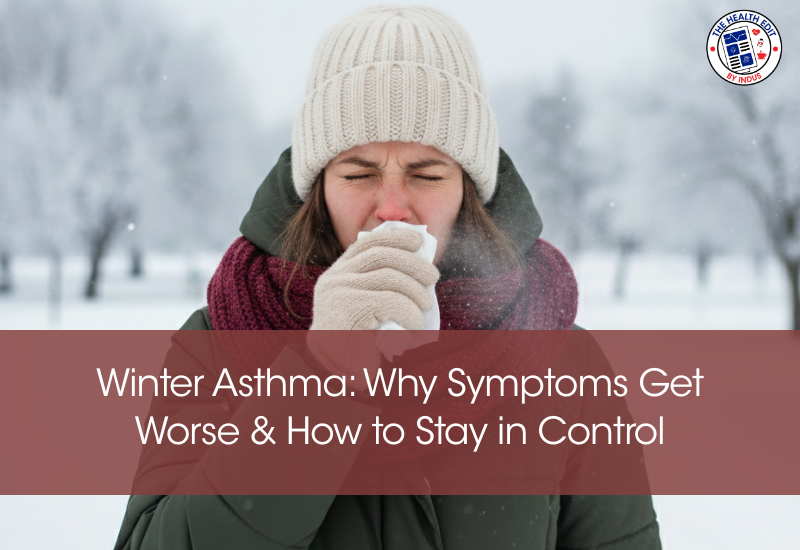
Winter can be a difficult season for people living with asthma. Cold air, seasonal viruses, and indoor allergens often trigger flare-ups, making breathing harder than usual. If you’ve ever wondered why asthma symptoms worsen in winter or how to manage them, this guide breaks down the causes — and what you can do to stay in control!
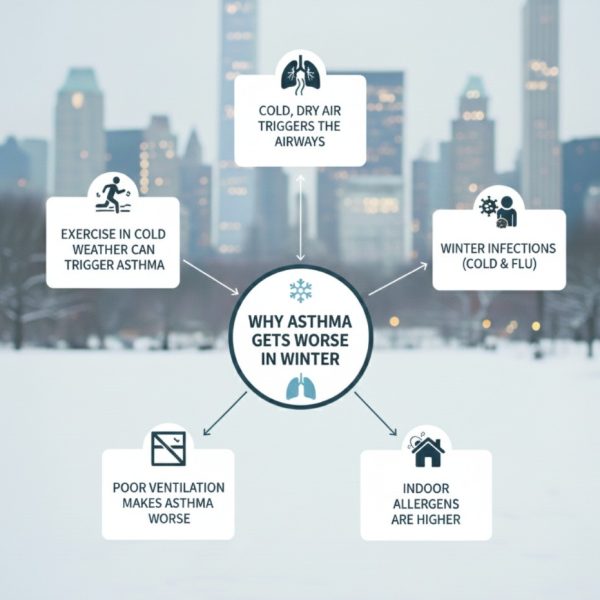

Your preventer inhaler reduces inflammation and keeps the airways open. Never skip it during winter. Always keep your reliever inhaler on hand for sudden symptoms.

Wearing layers protects your chest and throat from cold exposure. A scarf or mask helps filter and warm the air — a simple but effective tip for reducing cold-weather asthma symptoms.
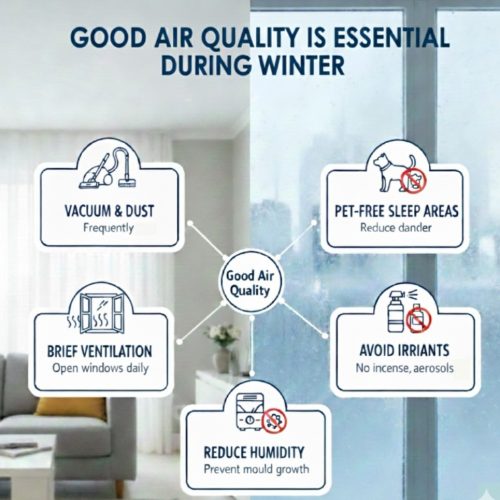
Cleaner indoor air means fewer asthma triggers at home.

Flu infections commonly cause severe asthma flare-ups in winter. A flu shot significantly reduces the risk of complications and hospital visits.
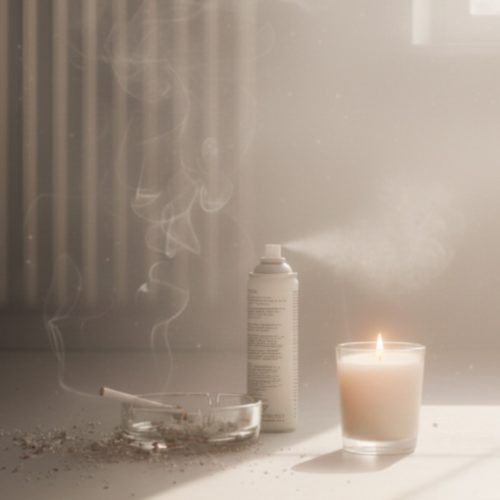
Smoke, heating fumes, chemicals, and strong fragrances can worsen asthma. A smoke-free, scent-free home environment helps prevent winter asthma attacks.

Watch out for early warning signs such as increased coughing, waking up at night, needing your reliever more often, and breathlessness during routine activities. If these appear, your asthma might be uncontrolled. Speak to your doctor about updating your action plan.
Winter doesn’t have to mean worsening asthma symptoms. By understanding what triggers asthma in winter and taking simple steps to protect your lungs, you can stay healthy, active, and confident throughout the season!
Embark on a meaningful journey by getting involved in our mission to provide quality healthcare for all. Your involvement can make a significant difference in the lives of those in need. Here’s how you can be a catalyst for change.


Monday Nov 18, 2024 5:30 PM EST
Location

we have sent you an email with confirmation and QR code.


