FOIH Annual Fundraising Event Washington DC Chapter
Monday Nov 18, 2024 5:30 PM EST
Location
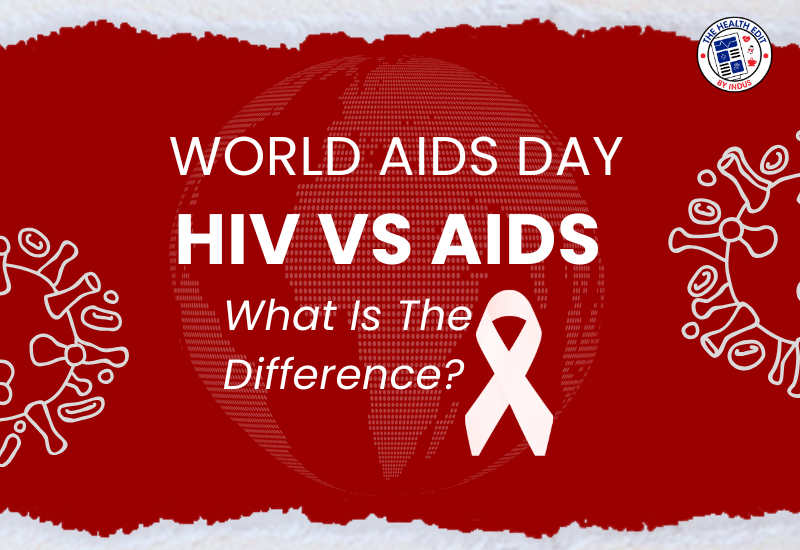
When we talk about HIV and AIDS, the two terms are often used interchangeably — and that confusion can fuel unnecessary fear. Understanding the difference is not just a matter of medical clarity; it reduces stigma, encourages early testing, and ultimately saves lives!

HIV (Human Immunodeficiency Virus) is a virus that attacks the immune system, specifically the CD4 cells that help the body fight infections.
The most important thing to know is this: HIV is treatable
Today, with Antiretroviral therapy (ART), HIV can be controlled so effectively that the virus becomes undetectable. When HIV is undetectable, it cannot be passed to others, and individuals can live long, healthy lives.
AIDS (Acquired Immunodeficiency Syndrome) is not a virus. It is the most advanced stage of HIV,
when the immune system has been severely weakened and can no longer fight infections effectively.
A person develops AIDS if HIV is left untreated for many years, leading to:
AIDS cannot be “cured” in the traditional sense, but it can be reversed back to controlled HIV if treatment is started in time. The key difference is:
HIV is the virus — AIDS is the result of not treating it.
And with early diagnosis, most people with HIV never develop AIDS.
Understanding transmission is essential to reducing stigma.
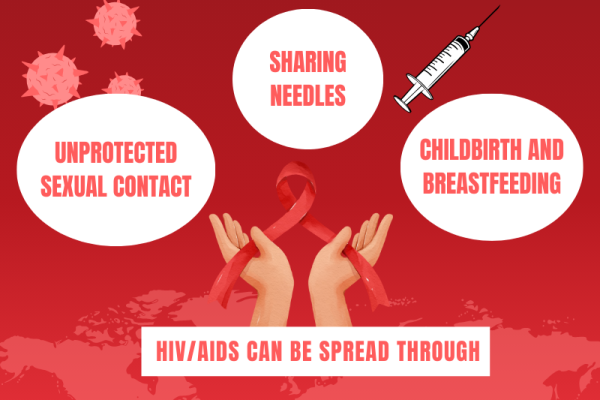
HIV cannot spread through hugging, shaking hands, sharing food, using the same toilet, or casual contact. Myths around this continue to isolate people unnecessarily — and that isolation can be more damaging than the virus itself.
The story of HIV has changed dramatically over the years — medicine has advanced, survival rates have improved, and prevention is powerful. But one thing has stubbornly remained: stigma.
People living with HIV still face judgment, fear, and social exclusion. This stigma pushes individuals away from testing, delays treatment, and increases emotional distress. It also reinforces the harmful idea that HIV is a moral failing, rather than a medical condition that deserves care and dignity.
When people feel supported, they are more likely to get tested early, take their medication regularly, and live fulfilling lives. Treating HIV is not just about controlling a virus — it’s about creating a society where no one is afraid to seek help.
This World AIDS Day, let’s commit to replacing fear with facts and stigma with compassion.
Embark on a meaningful journey by getting involved in our mission to provide quality healthcare for all. Your involvement can make a significant difference in the lives of those in need. Here’s how you can be a catalyst for change.


Monday Nov 18, 2024 5:30 PM EST
Location

we have sent you an email with confirmation and QR code.


