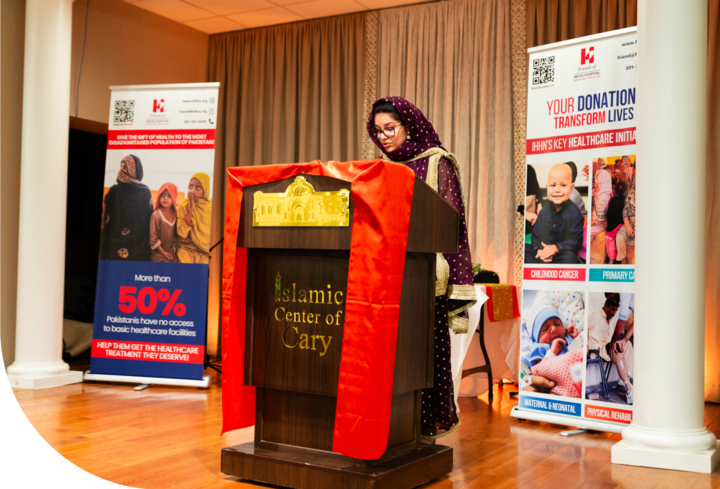
FOIH Annual Fundraising Event Washington DC Chapter
Monday Nov 18, 2024 5:30 PM EST
Location
The journey of Hajj begins long before a pilgrim sets foot in Mecca. It commences with a profound spiritual preparation that culminates in the state of ihram—a sacred condition that transcends mere clothing to represent a complete reorientation of the soul toward Allah. This preparation forms the foundation of a meaningful pilgrimage, setting the stage for the transformative experiences that follow.
Beyond the White Garments
While the seamless white garments of ihram are its most visible symbol, the true essence of ihram lies in the internal state it demands. When pilgrims enter ihram, they commit to abstaining from arguments, conflicts, and worldly distractions. They refrain from cutting their hair and nails, wearing perfumes, or engaging in marital relations. These restrictions serve a higher purpose: creating a mental and spiritual space where the pilgrim can focus entirely on their relationship with Allah. Ihram is who you become and taking away layers of ego and worldly identity.
The Power of Niyyah (Intention)
At the heart of entering ihram lies the declaration of niyyah—the conscious intention that transforms a journey into an act of worship. The Prophet Muhammad (peace be upon him) emphasized: “Actions are judged by intentions.” [Al-Bukhari & Muslim]. This principle takes center stage during Hajj preparation, where pilgrims must clarify their intentions, ensuring they seek only Allah’s pleasure rather than worldly recognition or status.
The sincerity of this intention determines the spiritual fruits of the pilgrimage. Those who approach Hajj with humble hearts, seeking forgiveness and divine connection, find their journey transformed into a profound spiritual awakening. Those focused on merely “checking the box” of a religious obligation may complete the same physical rituals yet miss the deeper spiritual transformation.
Practical Preparation with Spiritual Dimension
The preparation for ihram encompasses both practical and spiritual dimensions. Pilgrims traditionally bathe before entering ihram, trim their nails, and remove unwanted hair—actions that represent purification and readiness for divine presence. These physical preparations mirror the internal cleansing that must occur: seeking forgiveness from those we’ve wronged, settling debts, and resolving conflicts.
Zakat and Healthcare: Purifying Wealth as We Purify Intentions
The purification theme central to ihram finds a powerful parallel in directing zakat toward healthcare initiatives. Just as ihram purifies the pilgrim’s intentions and actions, zakat purifies wealth by redirecting it toward those in greatest need. Both practices explore that true spiritual elevation requires detachment from material possessions and highlighting what pleases Allah.
When Muslims channel zakat toward free healthcare systems, they embody the essence of ihram in their financial choices. They strip away self-interest from their wealth, directing resources toward what truly matters: preserving human life and dignity. This approach reflects the Prophet’s (pbuh) teaching: “The most beloved people to Allah are those who are most beneficial to others.” (Al-Mu’jam Al-Awsat).
Indus Hospital & Health Network demonstrates how zakat can create systems offering dignified, quality healthcare to all—regardless of ability to pay. Supporting such initiatives ensures that zakat fulfills its highest purpose: creating sustainable solutions that elevate entire communities while addressing critical human needs.
From Personal Purification to Community Elevation
The spiritual discipline of ihram prepares individuals for a transformative Hajj experience. Similarly, directing zakat toward healthcare transforms not just individual lives but entire communities. Both practices begin with personal commitment but ultimately contribute to collective elevation.
When a mother receives free prenatal care through zakat-funded donations, her entire family benefits from her health and wellbeing. When a child receives life-saving cancer treatment without cost, their future potential remains intact. These ripple effects mirror how the spiritual lessons of ihram and Hajj should extend beyond individual transformation to uplift families and communities.
Carrying Forward the Spirit
As pilgrims eventually exit the state of ihram, they carry forward its lessons into everyday life. Similarly, the impact of healthcare-directed zakat continues long after the donation itself, creating sustainable systems of compassion and care.
The white garments may be put away, but the purified intentions and spiritual consciousness cultivated during Hajj preparation should remain. Likewise, our zakat should create lasting structures of mercy—like accessible healthcare—that continue serving humanity in alignment with divine pleasure.
Through both ihram and purposeful zakat, we learn that spiritual excellence means aligning every aspect of life—from our pilgrimages to our financial choices—with what pleases Allah and serves His creation.
Embark on a meaningful journey by getting involved in our mission to provide quality healthcare for all. Your involvement can make a significant difference in the lives of those in need. Here’s how you can be a catalyst for change.


Monday Nov 18, 2024 5:30 PM EST
Location

we have sent you an email with confirmation and QR code.


