FOIH Annual Fundraising Event Washington DC Chapter
Monday Nov 18, 2024 5:30 PM EST
Location

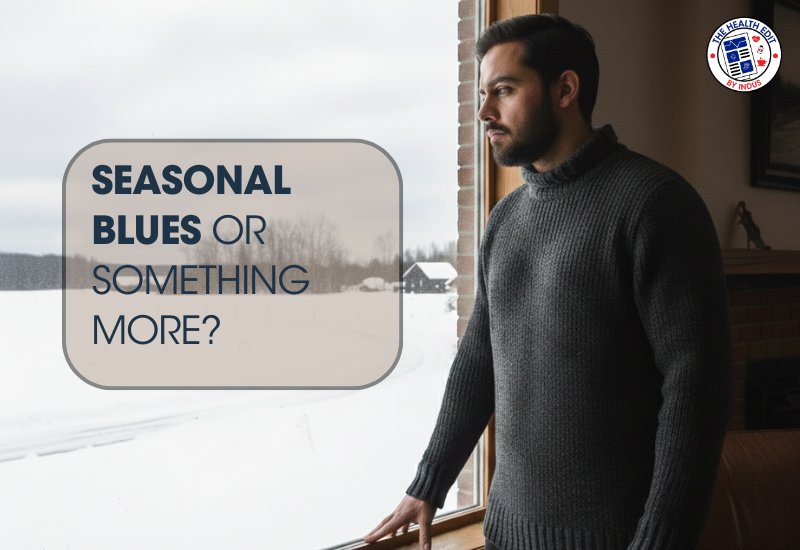
Feeling low during the colder months is more common than many people realize. Shorter days, less sunlight, and changes in daily routine can all affect how we feel emotionally. If you’ve noticed shifts in your mood, energy, or motivation during winter, this guide explains why it happens — and how to tell when it may be time to seek extra support.
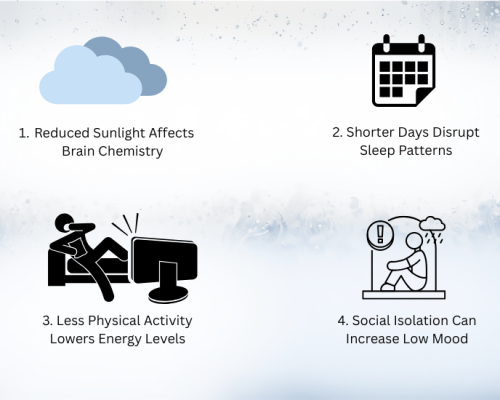
1. Reduced Sunlight Affects Brain Chemistry
Less exposure to natural light can disrupt the body’s internal clock and lower serotonin levels — a chemical that helps regulate mood. This can lead to feelings of sadness, fatigue, or low motivation.
2. Shorter Days Disrupt Sleep Patterns
Winter often brings changes in sleep, including oversleeping or difficulty waking up. Poor sleep can worsen mood, concentration, and emotional resilience.
3. Less Physical Activity Lowers Energy Levels
Cold weather and shorter days may reduce movement and outdoor activity. Physical activity plays an important role in regulating stress and supporting mental health.
4. Social Isolation Can Increase Low Mood
Spending more time indoors can limit social interaction. Reduced connection with others may contribute to feelings of loneliness or withdrawal.
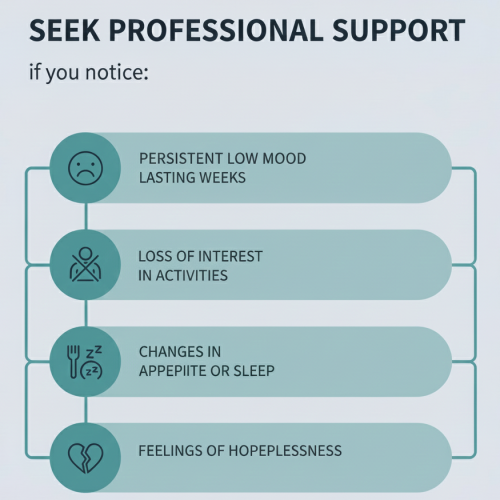
While seasonal blues are common, Seasonal Affective Disorder is a recognized form of depression that follows a seasonal pattern, most often during winter. SAD symptoms are typically more intense and persistent. These may include ongoing sadness, loss of interest in activities, changes in appetite or sleep, difficulty concentrating, and feelings of hopelessness.
A key difference lies in duration and impact. If winter mood changes last for weeks and interfere with work, relationships, or daily functioning, it may be more than seasonal blues and should be taken seriously.

1. Get Daylight Exposure When Possible
Even short periods outdoors during daylight hours can help regulate mood and energy levels.
2. Maintain a Consistent Daily Routine
Regular sleep, meals, and activity provide structure and help stabilise emotional well-being.
3. Stay Physically Active
Gentle movements such as walking, stretching, or indoor exercises can improve mood and reduce stress.
4. Stay Socially Connected
Regular check-ins with friends or family — even brief ones — help protect against isolation.
5. Pay Attention to Warning Signs
Winter can influence mood in subtle but powerful ways. Understanding what you’re experiencing — and responding with awareness and care — can help you navigate the season with greater emotional resilience. Whether it’s seasonal blues or something more, support is always available, and you don’t have to manage it alone!
Embark on a meaningful journey by getting involved in our mission to provide quality healthcare for all. Your involvement can make a significant difference in the lives of those in need. Here’s how you can be a catalyst for change.


Monday Nov 18, 2024 5:30 PM EST
Location

we have sent you an email with confirmation and QR code.


