FOIH Annual Fundraising Event Washington DC Chapter
Monday Nov 18, 2024 5:30 PM EST
Location

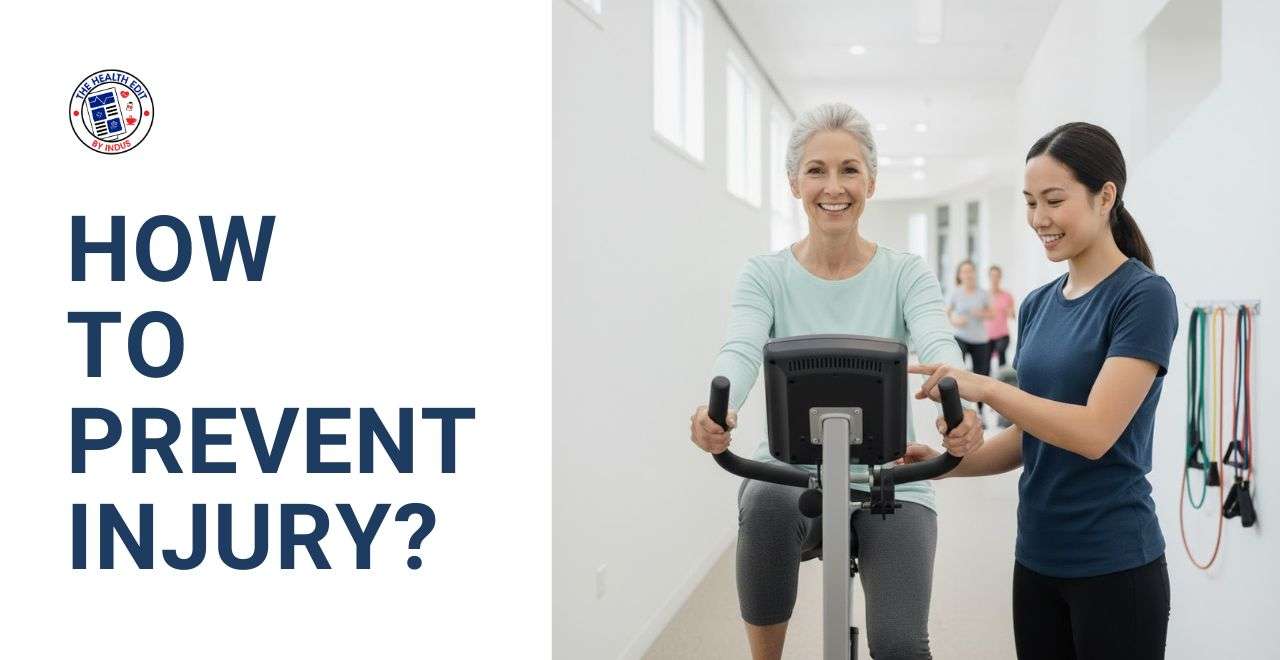
Staying active is essential for long-term health, but without the right habits, exercise can quickly lead to strain, pain, or long-term injury. Whether you’re recovering from an injury, returning to fitness after rehab, or simply trying to stay pain-free, injury prevention starts with daily wellness choices.
Physical therapists and sports medicine specialists agree: small, consistent actions, not intense workouts, are the key to preventing injuries and supporting active recovery.
Many people believe rest means doing nothing, but active recovery is often safer and more effective.
Active recovery includes:
These activities improve circulation, reduce stiffness, and support injury recovery without overloading muscles or joints. On rest days, choose active rest day activities instead of complete inactivity.

If you’re dealing with pain or a previous injury, the goal is to move safely, not push through pain.
Low-impact workouts for injury prevention include:
These options allow you to exercise with injury while protecting vulnerable areas. A physical therapist can guide you on safe exercises when injured based on your condition.

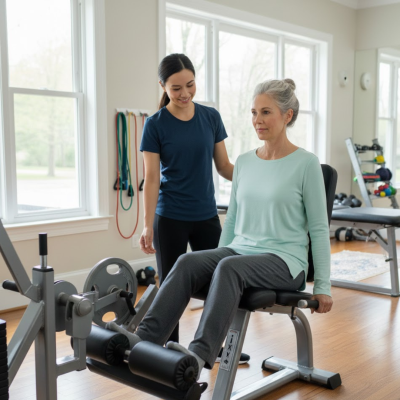
Weak stabilizing muscles often cause repeat injuries. Strength training during injury recovery, when done correctly, reduces future risk.
Focus on:
Using rehabilitation specialist exercises or physical therapy exercises ensures correct form and controlled progression, especially after surgery or sports injuries.
Injury prevention doesn’t end at movement.
Daily wellness habits include:
These habits accelerate post-surgery physiotherapy recovery and improve overall movement quality.

If pain limits daily activities or exercise feels unsafe, consult a sports injury treatment specialist or sports medicine clinic. A physical therapist can create a personalized plan that supports active recovery, safe movement, and long-term fitness.
Embark on a meaningful journey by getting involved in our mission to provide quality healthcare for all. Your involvement can make a significant difference in the lives of those in need. Here’s how you can be a catalyst for change.


Monday Nov 18, 2024 5:30 PM EST
Location

we have sent you an email with confirmation and QR code.


