FOIH Annual Fundraising Event Washington DC Chapter
Monday Nov 18, 2024 5:30 PM EST
Location


Zakat is more than charity. Derived from the Arabic word meaning “to purify” and “to grow,” Zakat is a mandatory annual obligation upon eligible Muslims. As one of the five pillars of Islam, this obligation stands alongside prayer (Salah), fasting (Sawm), pilgrimage (Hajj), and the declaration of faith (Shahadah).
It is mentioned over 80 times in the Qur’an, underscoring its central role in faith and community life. Through Zakat, a system of social justice is created, wealth is purified, inequality is addressed, and communities are strengthened.
Allah (SWT) says:
“And those within whose wealth is a known right,
for the petitioner and the deprived.”
(Qur’an 70:24–25)
Zakat is obligatory upon every sane, adult Muslim who owns wealth above a prescribed minimum amount—known as the Nisab—for one full lunar (Islamic) year.
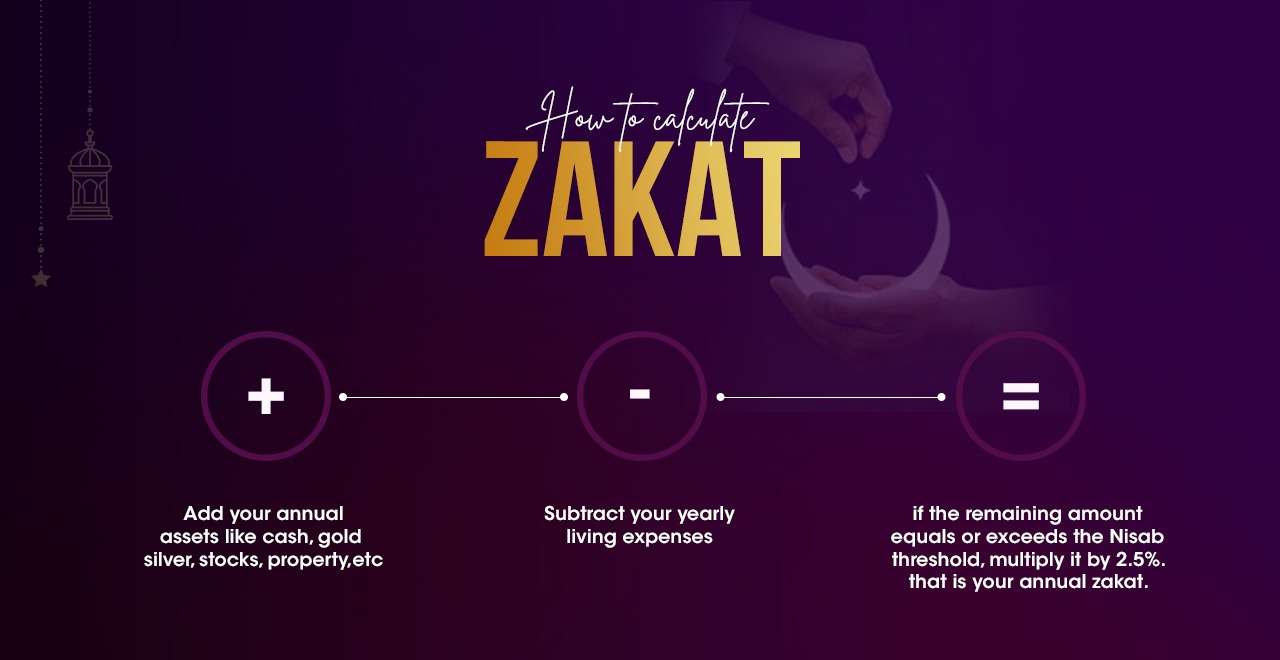
Once this threshold is met, 2.5% of eligible wealth must be given as Zakat.
The Nisab is the minimum amount of wealth a Muslim must possess before Zakat becomes compulsory. It is calculated using the current market value of gold or silver, both of which fluctuate daily.
If a person’s net assets—such as cash, savings, gold, silver, investments, stocks, or business assets—meet or exceed the Nisab value for one full lunar year, Zakat becomes due on the excess amount.
Zakat is payable once every lunar year, as soon as one full Islamic year has passed since an individual first met or exceeded the Nisab threshold. While Zakat may be given at any time during the year, many Muslims choose to give during Ramadan, when the rewards of good deeds are multiplied.
Allah (SWT) reminds us:
“And establish prayer and give Zakat, and whatever good you put forward for yourselves—you will find it with Allah.”
(Qur’an 2:110)
In Pakistan, access to healthcare remains a daily struggle for millions. Nearly 45% of the population lives below the poverty line, surviving on less than $4.20 per day. For many families, even the most basic medical care is financially out of reach.
At Indus Hospital & Health Network (IHHN), Zakat directly supports patients who cannot afford life-saving care. Your Zakat brings relief to families burdened by overwhelming healthcare costs and offers hope to those who may otherwise be denied essential treatment due to financial constraints. These funds enable access to pediatric cancer treatment, critical surgical procedures, maternal and neonatal care, Organ transplants, essential medicines and long-term medical care.
At IHHN, Zakat is managed with the highest standards of Islamic compliance, transparency, and accountability.
A tamleek (ownership transfer) system is implemented, based on the principles of wakālah (representation) and waqf (endowment) for Zakat and Sadaqaat-e-Wajibah (obligatory charity). The process works as follows:
This ensures your Zakat is used exactly as intended under Islamic law.
Calculating Zakat is simple
As Ramadan approaches, giving Zakat is a powerful way to begin the month—with intention, compassion, and faith. Your Zakat purifies your wealth while healing lives and restoring hope for those who need it most.
At IHHN, your Zakat saves lives.
Embark on a meaningful journey by getting involved in our mission to provide quality healthcare for all. Your involvement can make a significant difference in the lives of those in need. Here’s how you can be a catalyst for change.


Monday Nov 18, 2024 5:30 PM EST
Location

we have sent you an email with confirmation and QR code.


